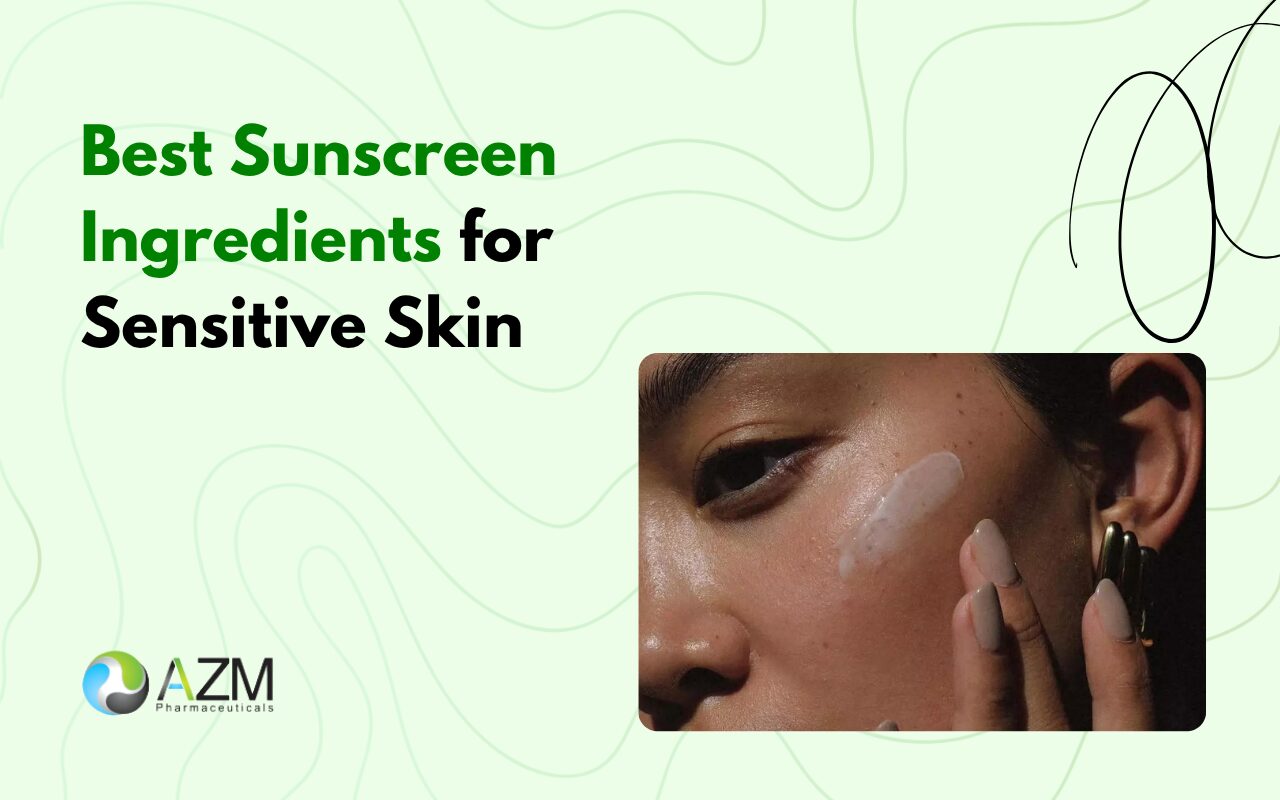
People with sensitive skin often struggle to find a sunscreen that provides effective sun protection without causing redness, irritation, or discomfort. The good news is that choosing the right sunscreen ingredients can help protect your skin while keeping it calm and comfortable.
We believe that daily sun protection should be gentle, effective, and suitable for every skin type, including sensitive skin.
Why Sensitive Skin Needs Sunscreen
Sensitive skin is often more vulnerable to:
- Sunburn
- Redness
- Hyperpigmentation
- Premature aging
- Skin barrier damage
Daily sunscreen helps protect your skin from harmful UV rays while supporting long-term skin health.
What Makes a Sunscreen Suitable for Sensitive Skin?
When choosing a sunscreen, look for products that are:
- Broad-spectrum (protecting against UVA and UVB rays)
- Comfortable for daily wear
- Gentle on the skin
- Suitable for your skin type
A well-formulated sunscreen helps reduce irritation while providing reliable protection.
Beneficial Sunscreen Ingredients
Several ingredients are commonly found in quality sunscreens and help provide effective UV protection.
Zinc Oxide
Zinc oxide is a mineral UV filter that offers broad-spectrum protection against UVA and UVB rays.
Benefits include:
- Gentle protection
- Suitable for sensitive skin
- Helps reduce UV damage
It is widely used in sunscreens designed for easily irritated skin.
Titanium Dioxide
Titanium dioxide is another mineral sunscreen ingredient that helps protect against UVB rays and part of the UVA spectrum.
Benefits include:
- Gentle on sensitive skin
- Effective daily sun protection
- Suitable for regular use
Glycerin
Although not a UV filter, glycerin is often added to sunscreens because it helps:
- Attract moisture to the skin
- Reduce dryness
- Improve skin comfort
Hydrated skin is generally less prone to irritation.
Vitamin E
Vitamin E is a powerful antioxidant that helps:
- Support the skin barrier
- Protect against environmental stress
- Improve skin conditioning
It complements daily sun protection by supporting overall skin health.
Ingredients to Be Careful With
Sensitive skin reacts differently from person to person, but some individuals may find certain formulations more irritating than others.
If your skin is highly reactive:
- Introduce new products gradually.
- Perform a patch test before full application.
- Stop using any product that causes persistent irritation.
If irritation continues, consult a qualified dermatologist.
A Daily Sunscreen for Sensitive Skin
Profair SPF 40 by AZM Pharmaceuticals is designed to provide reliable daily sun protection while supporting healthy skin.
It helps:
- Protect against UVA and UVB rays
- Reduce the risk of pigmentation caused by sun exposure
- Support healthy-looking skin
- Provide comfortable daily wear
Using sunscreen consistently is one of the best ways to protect sensitive skin from long-term damage.
Tips for Using Sunscreen on Sensitive Skin
For the best results:
- Apply sunscreen every morning.
- Use the recommended amount for full protection.
- Reapply every two hours during prolonged outdoor exposure.
- Wear protective clothing when spending extended time in direct sunlight.
These simple habits help maximize sun protection.
Common Sunscreen Mistakes
Avoid these common mistakes:
- Skipping sunscreen on cloudy days
- Applying too little product
- Forgetting to reapply
- Ignoring the neck and ears
- Using expired sunscreen
Proper application is just as important as choosing the right sunscreen.
Final Thoughts
Sensitive skin deserves daily protection from harmful UV rays. Choosing a broad-spectrum sunscreen with skin-friendly ingredients and using it consistently can help reduce the risk of sun damage, pigmentation, and premature aging.
By making Profair SPF 40 part of your daily skincare routine, you can help protect your skin while maintaining comfort and healthy-looking skin.
At AZM Pharmaceuticals, we are committed to providing high-quality skincare solutions designed to protect and support every skin type.