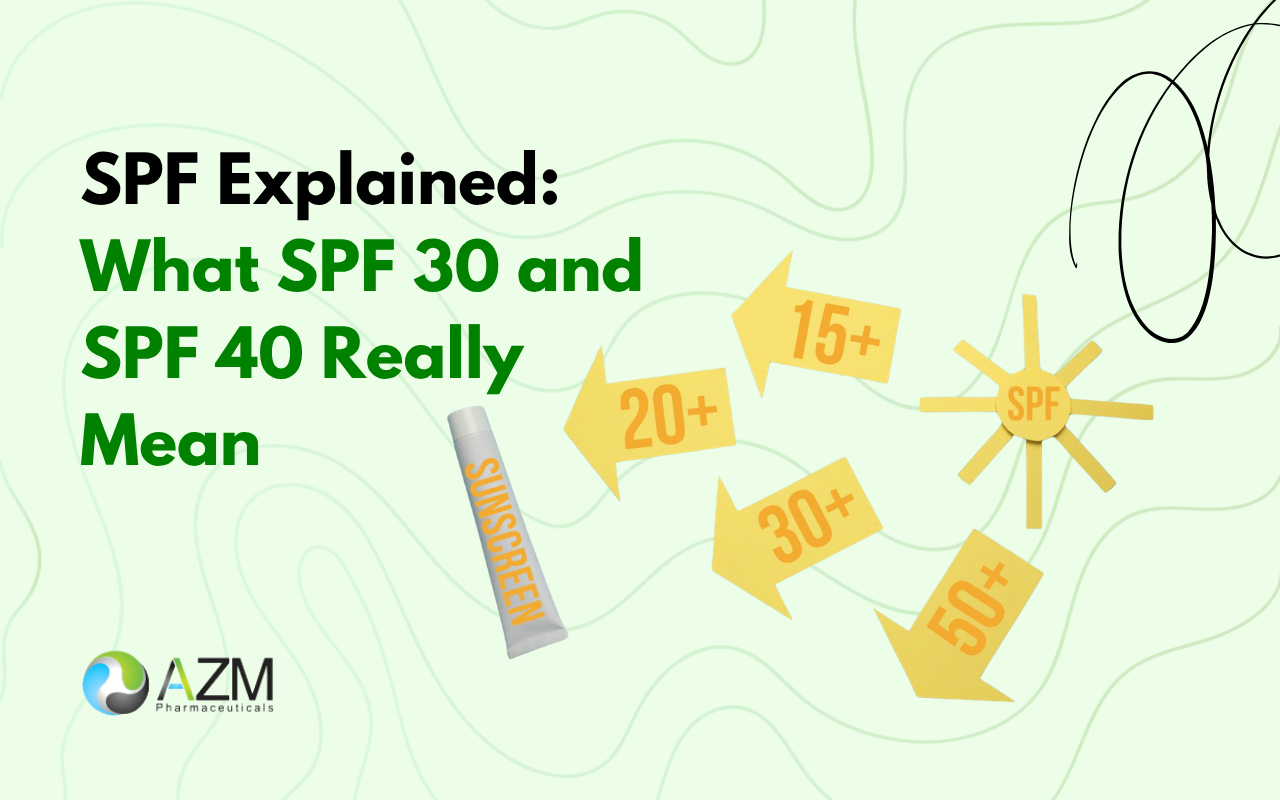
Sunscreen is one of the most effective ways to protect your skin from sunburn, premature aging, hyperpigmentation, and UV damage. However, even the best sunscreen won’t provide its full protection if you don’t apply enough.
Many people use only a small amount of sunscreen, leaving their skin underprotected. Knowing the correct amount to apply can make a significant difference in your skin’s long-term health.
We believe that proper sunscreen application is just as important as choosing the right sunscreen.
Why the Amount of Sunscreen Matters
Sunscreens are tested in laboratories using a specific amount of product. If you apply less than the recommended amount, the level of protection decreases significantly.
Applying enough sunscreen helps:
- Protect against UVA and UVB rays
- Reduce the risk of sunburn
- Prevent hyperpigmentation
- Slow premature skin aging
- Support an even skin tone
How Much Sunscreen Should You Apply?
For your face and neck, dermatologists commonly recommend one of these simple guidelines:
The Two-Finger Rule
Apply sunscreen along the length of your index finger and middle finger.
This amount is generally considered enough to cover:
The two-finger rule is an easy way to ensure adequate daily protection.
Coin-Sized Amount
Another useful guideline is to apply approximately a coin-sized amount of sunscreen for your face and neck.
Whichever method you choose, make sure the sunscreen covers all exposed areas evenly.
Areas People Often Forget
When applying sunscreen, don’t forget these commonly missed spots:
- Ears
- Hairline
- Neck
- Under the jawline
- Around the nose
Missing these areas leaves your skin vulnerable to UV damage.
When Should You Apply Sunscreen?
For the best protection:
- Apply sunscreen 15 to 20 minutes before going outdoors
- Use it as the last step of your morning skincare routine
- Allow it to absorb before applying makeup
This gives the sunscreen time to form a protective layer.
How Often Should You Reapply?
Reapply sunscreen every 2 hours if you’re outdoors for extended periods.
You should also reapply after:
- Sweating heavily
- Swimming
- Drying your face with a towel
Regular reapplication helps maintain consistent protection.
Choose a Sunscreen You’ll Enjoy Using
The best sunscreen is one you’ll apply every day.
Profair SPF 40 by AZM Pharmaceuticals is designed for daily use and helps:
- Provide broad-spectrum UVA and UVB protection
- Protect against pigmentation and sun damage
- Support an even-looking complexion
- Feel comfortable for everyday wear
Its lightweight formula makes it suitable for regular use as part of your morning skincare routine.
Common Sunscreen Mistakes
Avoid these common errors:
- Applying too little sunscreen
- Skipping the neck and ears
- Applying sunscreen only on sunny days
- Forgetting to reapply
- Using expired sunscreen
Small mistakes can reduce your overall protection.
Complete Morning Routine
For healthy, protected skin, follow this simple routine:
- Cleanse your face
- Apply Max Moist Moisturizer
- Apply Profair SPF 40 using the two-finger rule
This routine helps keep your skin hydrated and protected throughout the day.
Final Thoughts
Using the right amount of sunscreen is one of the easiest ways to protect your skin from long-term sun damage. Whether you use the two-finger rule or a coin-sized amount, applying sunscreen generously and evenly helps ensure your skin receives the protection it needs.
By making Profair SPF 40 part of your daily skincare routine, you can help prevent pigmentation, premature aging, and UV damage while maintaining healthier-looking skin.
At AZM Pharmaceuticals, we are committed to providing trusted skincare solutions that support healthy skin every day.