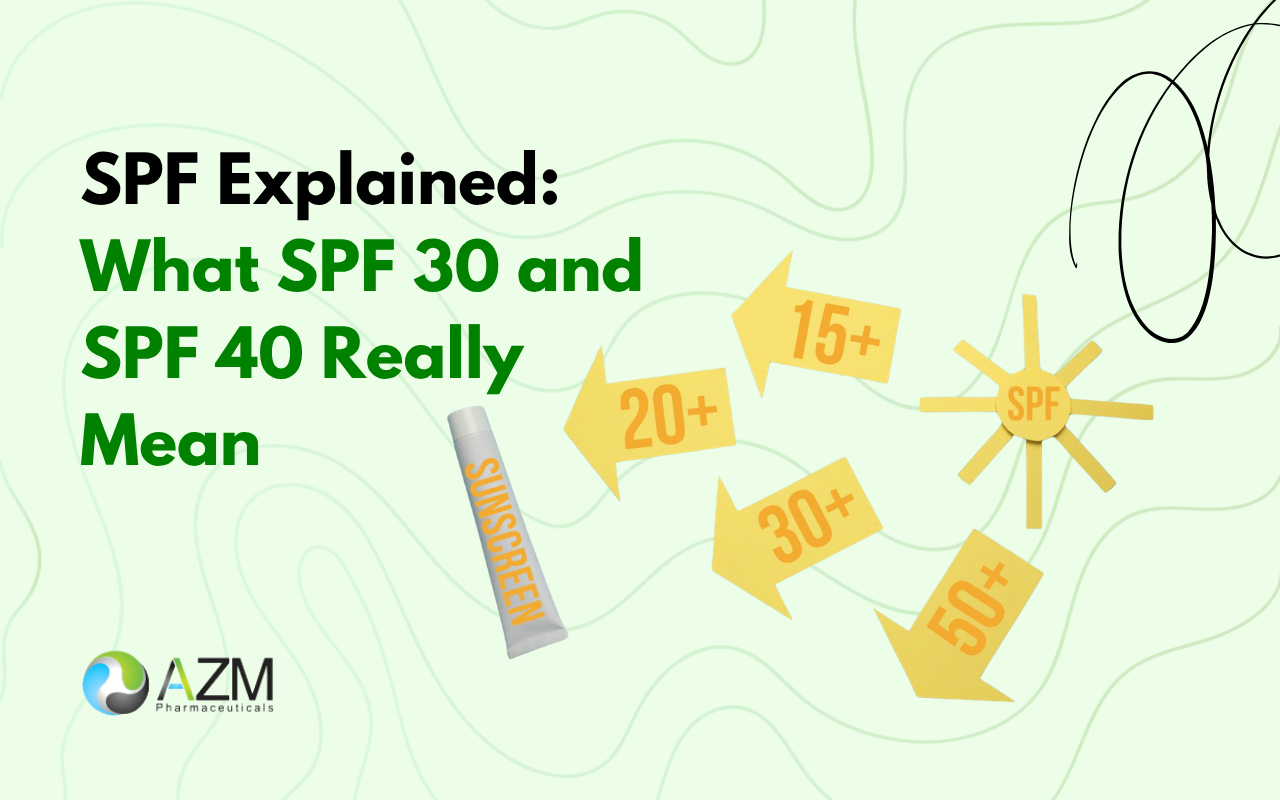
When shopping for sunscreen, you’ve probably seen labels such as SPF 30, SPF 40, or even SPF 50. Many people assume that higher SPF means dramatically better protection, but the truth is a bit more complex.
Understanding what SPF actually means can help you choose the right sunscreen and protect your skin more effectively.
We believe that informed skincare decisions lead to healthier skin and better long-term protection.
What Does SPF Mean?
SPF stands for Sun Protection Factor.
It measures how well a sunscreen protects your skin from UVB rays, which are primarily responsible for sunburn and can contribute to skin damage.
The higher the SPF number, the greater the level of UVB protection provided.
How Much Protection Does SPF 30 Provide?
SPF 30 blocks approximately 97% of UVB rays when applied correctly.
Benefits include:
- Good daily sun protection
- Reduced risk of sunburn
- Protection against UV-related skin damage
SPF 30 is often considered the minimum recommended level for everyday use.
How Much Protection Does SPF 40 Provide?
SPF 40 blocks approximately 97.5% of UVB rays.
While the percentage difference may seem small, SPF 40 offers:
- Additional protection during longer sun exposure
- Better coverage in high UV environments
- Extra support for people prone to pigmentation or sun sensitivity
This makes SPF 40 a popular choice for daily protection in sunny climates.
Does Higher SPF Mean You Can Stay in the Sun Longer?
No.
A common misconception is that higher SPF allows unlimited sun exposure.
The reality is:
- Sunscreen wears off over time
- Sweat and oil reduce effectiveness
- Reapplication remains necessary regardless of SPF level
Even SPF 40 should be reapplied every 2–3 hours during outdoor activities.
SPF Is Only Part of the Story
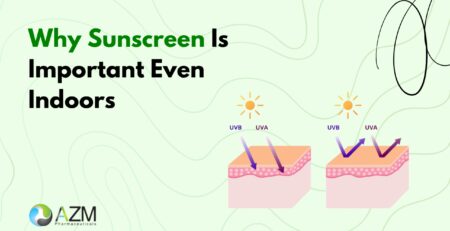
A good sunscreen should also provide broad-spectrum protection, meaning it protects against both:
UVB Rays
Responsible for:
- Sunburn
- Surface skin damage
UVA Rays
Responsible for:
- Premature aging
- Hyperpigmentation
- Long-term skin damage
Both forms of protection are important for healthy skin.
Why Daily Sunscreen Matters
Daily sunscreen use helps:
- Prevent pigmentation
- Maintain even skin tone
- Reduce premature aging
- Protect the skin barrier
Consistent use is more important than simply choosing the highest SPF number.
A Reliable Daily Protection Option
Profair SPF 40 by AZM Pharmaceuticals is designed for everyday use and helps:
- Provide broad-spectrum UV protection
- Support healthy skin in Pakistan’s climate
- Protect against pigmentation and sun damage
- Offer comfortable daily wear
Its balanced formulation makes it suitable for regular use as part of a complete skincare routine.
Common SPF Mistakes
Avoid these common errors:
- Applying too little sunscreen
- Forgetting to reapply
- Skipping sunscreen on cloudy days
- Using sunscreen only at the beach
- Ignoring neck and exposed areas
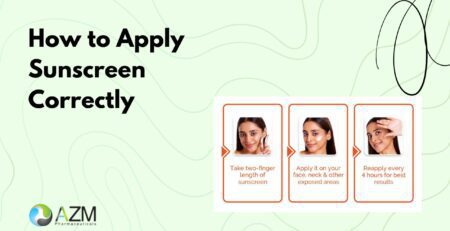
Proper application is just as important as SPF level.
Final Thoughts
SPF numbers can be confusing, but the key takeaway is simple: both SPF 30 and SPF 40 provide excellent protection when used correctly. The difference is not dramatic, but SPF 40 offers an extra level of defense that can be valuable in sunny environments and for people concerned about pigmentation.
By making sunscreen a daily habit and choosing reliable options like Profair SPF 40, you can protect your skin from UV damage and maintain healthier skin over time.
At AZM Pharmaceuticals, we are committed to providing effective skincare solutions that support long-term skin health and protection.